Solar Panel Installation: A Homeowner’s Step-by-Step Guide
Solar Panel Installation: A Homeowner’s Step-by-Step Guide
Installing solar panels on your home can be a rewarding investment, providing long-term savings and environmental benefits. Here’s a simple guide to help you navigate the installation process:
1. Assess Your Energy Needs
Start by evaluating your current energy consumption. Review past electricity bills to determine how much energy you use. This will help you understand how many solar panels you need.
2. Research and Choose a Solar Installer
Find a reputable solar panel installer by checking reviews, certifications, and experience. Get multiple quotes and compare them to find the best fit for your budget and needs.
3. Site Evaluation and Assessment
A professional installer will visit your home to assess your roof’s suitability for solar panels. They will consider factors like roof orientation, shading, and structural integrity to determine the optimal installation plan.
4. Design Your Solar System
Based on the assessment, the installer will design a custom solar system tailored to your energy needs. This includes selecting the right type of panels, inverter, and other components.
5. Apply for Permits
Your installer will handle the necessary permits required by local authorities. This may include building permits, electrical permits, and other approvals depending on your location.
6. Install the Solar Panels
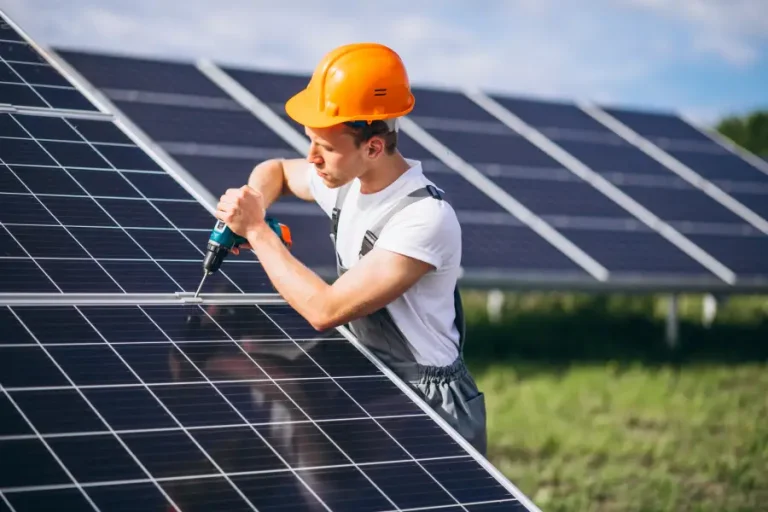
Once permits are approved, the installation begins. This typically involves mounting the panels on your roof, connecting the wiring, and setting up the inverter. Installation may take 1-3 days depending on the size and complexity of the system.
7. Inspection and Approval
After installation, a local government inspector may need to approve the system to ensure it meets all regulations and safety standards. Your installer will arrange this inspection.
8. System Activation
Once the inspection is passed, your solar system will be activated and connected to the grid. At this point, you’ll begin generating your own solar power.
9. Monitor and Maintain Your System
Regular monitoring ensures your solar system is working efficiently. Many systems come with monitoring tools that allow you to track energy production. Schedule regular maintenance to keep your panels in good condition.
By following these steps, you can ensure a smooth and successful solar panel installation, providing you with clean energy and long-term savings.