services

Our Services

Our Services

The energy & technology we'll need for the future

The energy technology we’ll need for the future revolves around harnessing the full potential of solar energy. Solar energy for you means clean, sustainable power that reduces reliance on fossil fuels and lowers carbon footprints. With advancements in solar panel efficiency, energy storage, and smart grid integration, solar technology will become more affordable and accessible for homes, businesses, and communities. It will allow individuals and organizations to generate their own energy, reduce utility costs, and contribute to a greener planet.

On Grid Solar Systems

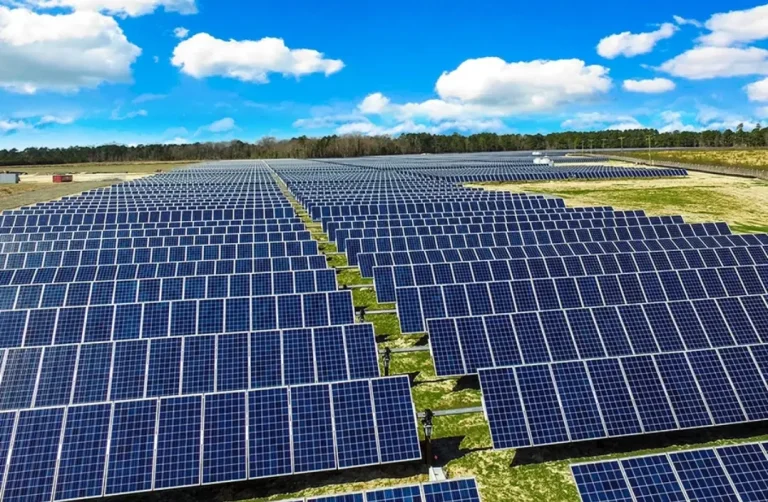
Grid-Tied Solar System, is a solar energy solution designed to generate electricity for homes, businesses, or other properties while being connected to the main electrical grid. These systems use solar panels to capture energy from the sun and convert it into electricity, which can be used on-site or fed back into the grid.

Here is a detailed breakdown of an On-Grid Solar System

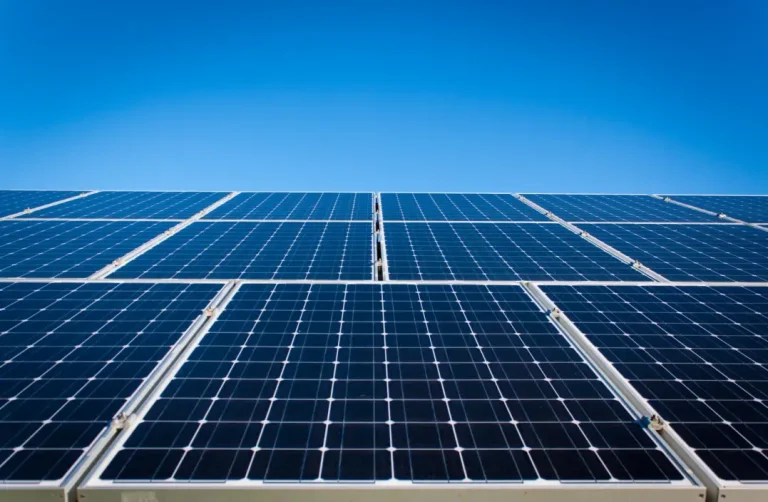
Solar Panels: Capture sunlight and convert it into direct current (DC) electricity.

Inverter: Converts DC electricity from the solar panels into alternating current (AC) electricity, which can be used by most household or business appliances.

Grid Connection: The system is connected to the local utility grid, allowing excess power generated by the solar panels to be sent back to the grid.

Metering System: Tracks the electricity produced by the solar system and the electricity consumed from the grid. In some cases, it may also monitor excess electricity fed back into the grid.

Residential Solar Panel

A Residential Solar Panel System is a clean energy solution designed for homeowners to harness the power of the sun to generate electricity for their homes. This system typically consists of solar panels, an inverter, a mounting system, and other components that work together to provide renewable energy. Residential solar panels allow homeowners to reduce their electricity bills, contribute to environmental sustainability, and gain energy independence.

Key Components:

Solar Panels: The most visible component, solar panels are made up of photovoltaic (PV) cells that convert sunlight into electricity. These are typically installed on the roof or another area with optimal sun exposure.

Inverter: The inverter converts the direct current (DC) electricity generated by the solar panels into alternating current (AC) electricity, which is used by household appliances.

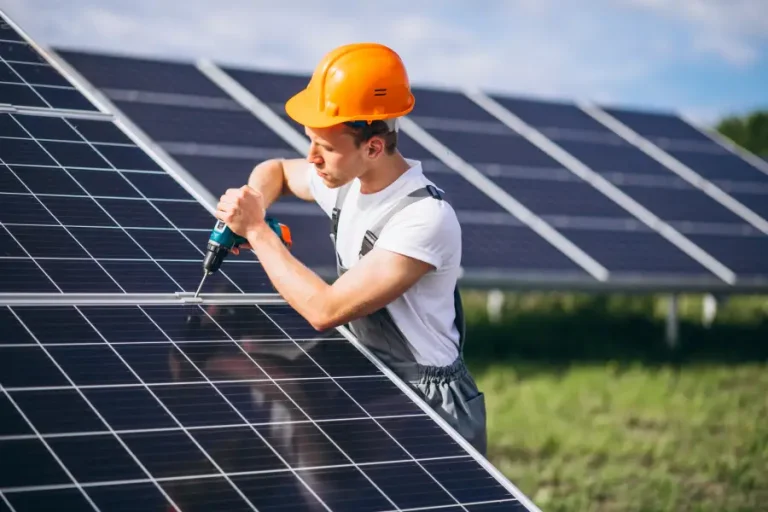
Mounting System: A secure mounting system is used to attach the solar panels to the roof or ground structure, ensuring they remain in place and properly angled to capture maximum sunlight.

Energy Metering and Monitoring System: Some systems come with advanced metering or monitoring systems that track the amount of solar power being generated and consumed, allowing homeowners to monitor performance in real-time.

Optional Battery Storage: Some homeowners choose to add a battery storage system to store excess solar energy produced during the day for use at night or during cloudy weather.

Commercial Solar Panel

A Commercial Solar Panel System is a solar energy solution designed for businesses, offices, factories, and other commercial properties. These systems enable companies to generate clean, renewable energy from the sun, reducing their reliance on grid power, lowering electricity costs, and demonstrating a commitment to sustainability. Commercial solar panels are scalable to meet the energy needs of larger facilities and can help businesses save significantly on operational expenses while also contributing to environmental conservation.

Key Components:

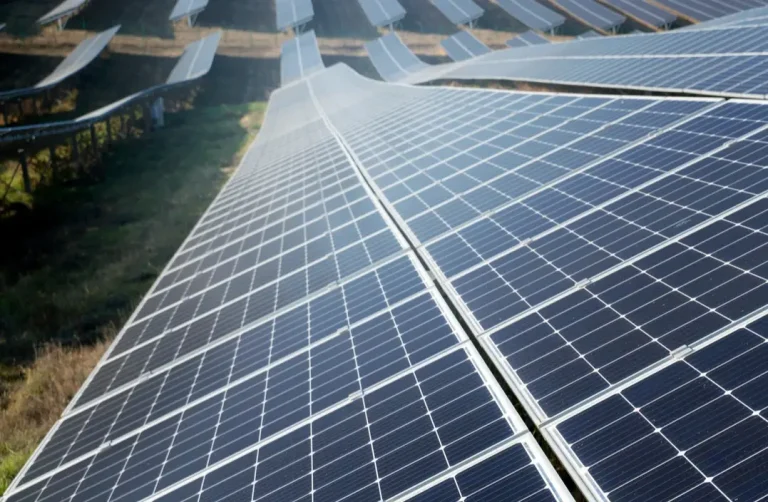
Solar Panels: The core of the system, these panels contain photovoltaic (PV) cells that capture sunlight and convert it into direct current (DC) electricity. The size and number of panels depend on the energy needs of the business.

Inverter: The inverter converts the DC electricity generated by the solar panels into alternating current (AC) electricity, which is used to power commercial appliances and machinery.

Mounting and Racking System: Solar panels are installed on the roof or on the ground, using a secure mounting system that ensures proper placement and optimal sunlight exposure.

Energy Metering and Monitoring System: A system for tracking the energy produced by the solar panels and consumed by the business. Monitoring allows real-time tracking of energy usage, system performance, and potential savings.

Optional Battery Storage: Some businesses may choose to incorporate energy storage solutions to store excess solar power for use during non-sunny periods, such as at night or during power outages.

Bringing the power of the sun to your doorstep.

Power your life with the sun, Let the sun work for you—reliable solar panels, delivered with care.

Empowering homes and businesses with solar energy. The future is bright, and it’s powered by the sun. 🌞🌱 SolarPower- SustainableSolutions.

F.A.Q.

Frequently Asked

Yes! Solar panels generate power even on cloudy or rainy days, although their efficiency may be reduced. However, they still capture diffused sunlight, ensuring they remain effective in less-than-ideal weather conditions.

While solar panels generate power during the day, you don’t necessarily need a battery. However, adding a battery storage system can allow you to store excess energy for use at night or during cloudy periods, providing greater energy independence and reliability.

The installation process typically takes 1 to 3 days, depending on the size and complexity of the system. We provide an accurate timeline during the consultation phase to ensure minimal disruption to your daily life.